By Chula Vista HVAC Pros · 2026-11-17 · Chula Vista, CA
How to lower your cooling bill in Chula Vista — the maintenance, thermostat, airflow and shading steps that cut summer electricity use.
The cooling bill in a Chula Vista summer is the price of comfort, and for homes in the inland neighborhoods it is a significant one. The system runs long hours through the afternoon, and the electric meter spins with it. But a large share of that bill is not the cost of cooling the house — it is the cost of cooling it inefficiently. A dirty coil, a clogged filter, leaking ducts, and a thermostat that cools an empty house all add to the bill without adding any comfort. The steps below are the ones that actually reduce the bill, in the order that matters.
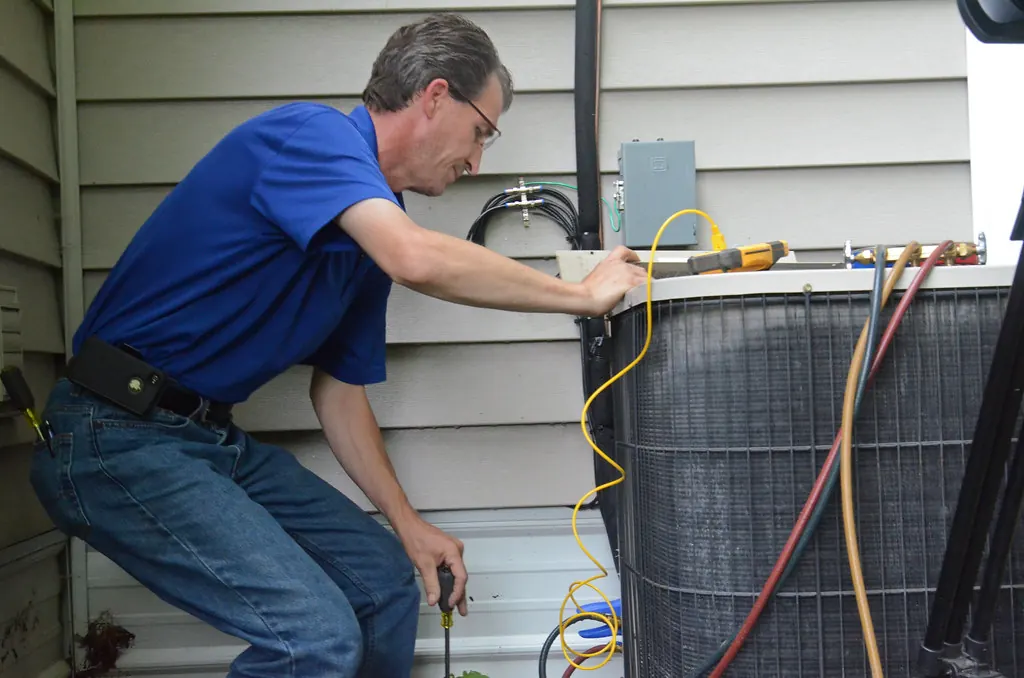
A system that is maintained uses less electricity for the same cooling, and the difference is not small. A dirty outdoor coil cannot reject heat properly, so the compressor works harder and longer. Low refrigerant makes the system run longer to deliver the same cooling. A clogged filter restricts airflow, so the system runs longer and cools less. Each of these is found and fixed during a yearly tune-up, and the effect shows on the bill within the first month. In a San Diego County summer, the tune-up is the single most cost-effective step a homeowner can take — not because it is cheap, but because it restores the efficiency the system has been losing all year. A system that has not been serviced in two years is paying for its own neglect every month it runs.
A filter costs little and takes minutes to change, and a clogged one is the most common cause of wasted electricity in a cooling system. When airflow drops, the system runs longer to deliver the same cooling, and the coil can freeze — which drops efficiency further and risks the compressor. Change the filter every one to three months, and monthly through the summer if the home has pets or sits near open lots where dust is heavy. Write the date on the filter frame so the interval is visible. This is the one habit that costs almost nothing and saves the most, because it protects the coil, the blower, and the compressor at the same time.
Leaking ducts waste cooled air into the attic, and the system has to run longer to replace it. In older Chula Vista homes, where the ductwork has been baking in hot attics for decades, the loss can be significant — a fifth or more of the cooled air, in the worst cases, never reaches a room. The system runs longer, the bill climbs, and the house still feels warm in the far rooms. A duct inspection and sealing restore the air that was being lost, and the improvement shows on the bill within the first month. The ductwork is the delivery system, and a healthy air conditioner cannot overcome a delivery system that leaks.
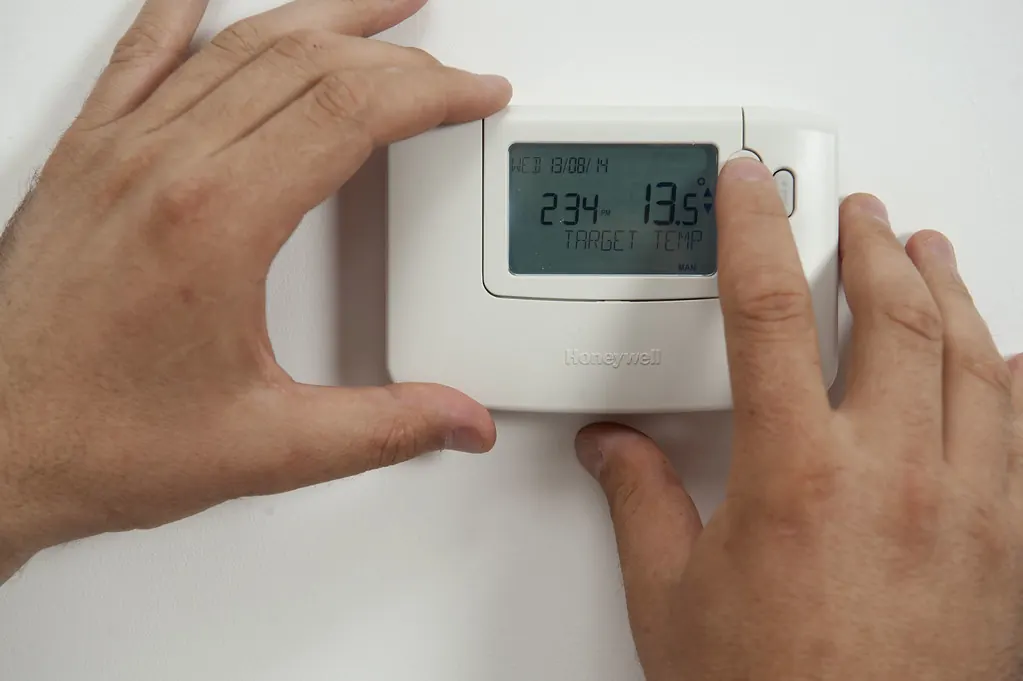
A household that is out during the day does not need the house cooled all afternoon. A programmable or smart thermostat sets the temperature back while the house is empty and restores it before anyone arrives home — and in Chula Vista's long cooling season, those hours add up. The setback does not need to be large: a few degrees while the house is empty is enough to reduce the running hours meaningfully, and the house is comfortable again by the time anyone walks in. A thermostat that is set to one temperature all day, every day, is cooling an empty house for hours at a time, and the bill reflects it. The schedule should follow the household's routine, and it should be updated when the routine changes.
The outdoor unit works better in shade than in direct sun, and a unit that is shaded — by a tree, an awning, or a fence that does not block its airflow — rejects heat more easily. West-facing windows are the largest single source of heat gain in most Chula Vista homes, and blinds or curtains closed in the afternoon keep that heat out of the house rather than asking the air conditioner to remove it. Ceiling fans help too: moving air feels cooler than still air, so the thermostat can be set a degree or two higher without the house feeling warmer. None of these replaces maintenance, but together they reduce the load the system has to carry — and a system carrying a smaller load uses less electricity.
The attic is where a large share of the cooling bill goes in a Chula Vista home, and it is the part of the house the homeowner never sees. The attic is the hottest space in the house — far hotter than the outdoor temperature on a summer afternoon — and the ductwork runs through it. When the ducts leak, cooled air escapes into that heat and is lost. When the ducts are uninsulated or poorly insulated, the cooled air warms up on its way to the rooms, so the system has to produce colder air to deliver cool air. When the attic itself is uninsulated or poorly ventilated, the heat radiates down through the ceiling and warms the rooms from above, so the system fights the attic as well as the weather. The fixes are unglamorous and effective: seal the ducts with mastic, insulate the ductwork that runs through the attic, and make sure the attic has the insulation and ventilation it needs. None of these is a repair to the air conditioner itself, and all of them reduce the bill — because they reduce the load the air conditioner has to carry. A system that cools a house with a sealed, insulated duct system and a ventilated attic uses less electricity than the same system cooling the same house through leaking ducts in a hot attic, and the difference shows on the bill within the first month. The attic is not part of the HVAC system, but it decides how hard the HVAC system has to work — and in a Chula Vista summer, that decision is worth real money.
The thermostat setback is the simplest way to lower a cooling bill, and it is also the one most often done wrong. The setback that works is a few degrees while the house is empty, restored an hour before anyone arrives home — enough to reduce the running hours meaningfully, and small enough that the house is comfortable again by the time the door opens. The setback that does not work is a large one — ten degrees or more — because the system then has to run long and hard to bring the house back down, and the energy saved during the setback is spent on the recovery. The setback that works most reliably is the one that follows the household's routine rather than a generic program: the house that is empty from eight to five should be set back from eight to four, and restored at four so it is cool by five. The house with someone working from home should be set for the rooms that are occupied during the day, and eased off the rooms that are not. And the setback should be updated when the routine changes — a household whose schedule changed in June should not still be running a May schedule in August. The smart thermostat's learning features help here, but they are not a substitute for thinking about the routine: the thermostat can learn the pattern, but it cannot know that the pattern has changed until it is told. The setback is not about enduring a warm house. It is about not cooling an empty one — and the hours the system does not run are the hours that do not appear on the bill.
The number to watch is the running time. A system that runs longer to do the same job is losing efficiency somewhere — a dirty coil, low refrigerant, a clogged filter, leaking ducts — and the running time is the measure of it. The thermostat's history, if it records one, shows the running time directly: hours per day, cycles per day, and whether the system reaches its set temperature. A system whose running time climbs month over month, while the weather stays the same, is a system that is degrading — and the degradation is the bill climbing with it. The tune-up is the visit that restores the running time: the coil cleaned, the charge corrected, the filter changed, the ducts sealed. After the tune-up, the running time should fall, and the bill should follow it within the first month. Watching the running time is the habit that turns the electric bill from a surprise into a signal — and a signal that is read monthly is a signal that catches a problem while it is still small, before it becomes the summer's emergency.

How often does an AC need servicing in Chula Vista? The yearly schedule, what a tune-up covers, and why spring is the time to book.
Read more →
Repair or replace your AC in Chula Vista? The age, cost, and condition factors that decide it — and the questions to ask before you choose.
Read more →
How long does an AC last in San Diego County? The typical lifespan, what shortens it, and the habits that add years to your system.
Read more →An unmaintained system — a dirty coil, low refrigerant, or a clogged filter — makes the system run longer for the same cooling. Leaking ducts are the second biggest cause, because the cooled air never reaches the rooms.
Yes, mainly by not cooling an empty house. A thermostat that sets the temperature back while the household is out and restores it before anyone arrives home reduces the hours the system runs.
Yes, modestly. A shaded unit rejects heat more easily than one in direct sun. The shade must not block the unit's airflow — clearance around the unit matters more than the shade itself.
No. Closing vents raises the pressure in the ducts, pushes more air out through any leak, and can freeze the coil. The system is designed to move a certain volume of air.
It depends on how far the system has degraded — a system that has not been serviced in years can lose a noticeable share of its efficiency to a dirty coil and low refrigerant. The tune-up restores that efficiency, and the effect shows within the first month.
Describe the symptoms — what the system is doing, which rooms are affected, and whether the outdoor unit is running — and get a clear next step.
For AC repair, furnace repair, heat pump and mini split service, and maintenance across Chula Vista and San Diego County, reach out through the contact page.