AC stopped working on a hot Chula Vista afternoon? Emergency air conditioning repair for no-cool, breakdowns and system failures. Call now for help.
Chula Vista & San Diego County · emergency AC repair Chula Vista
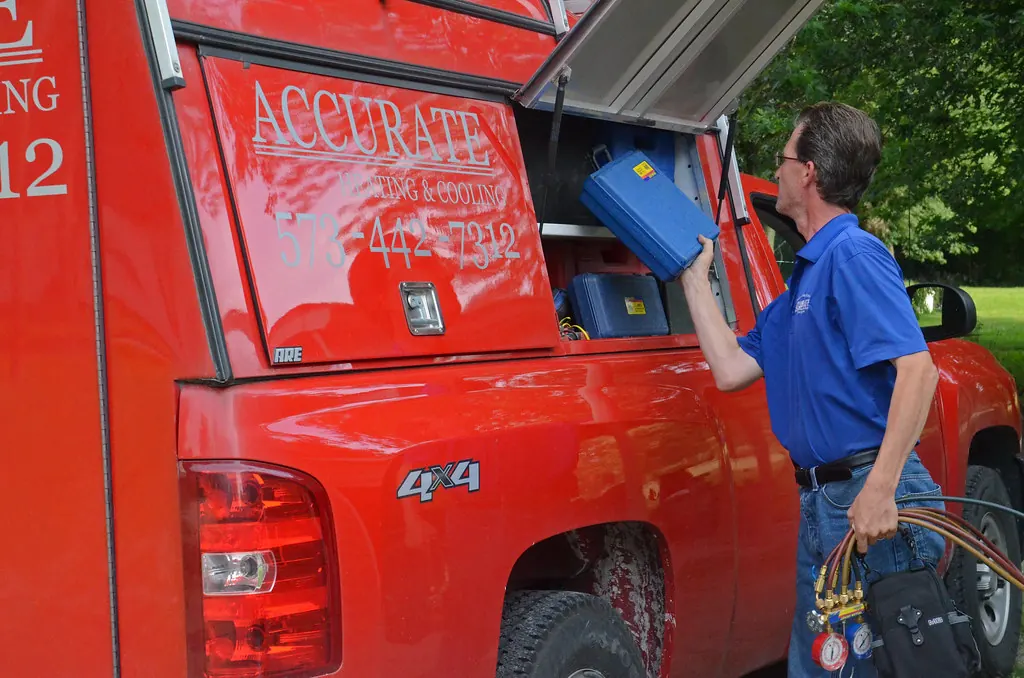
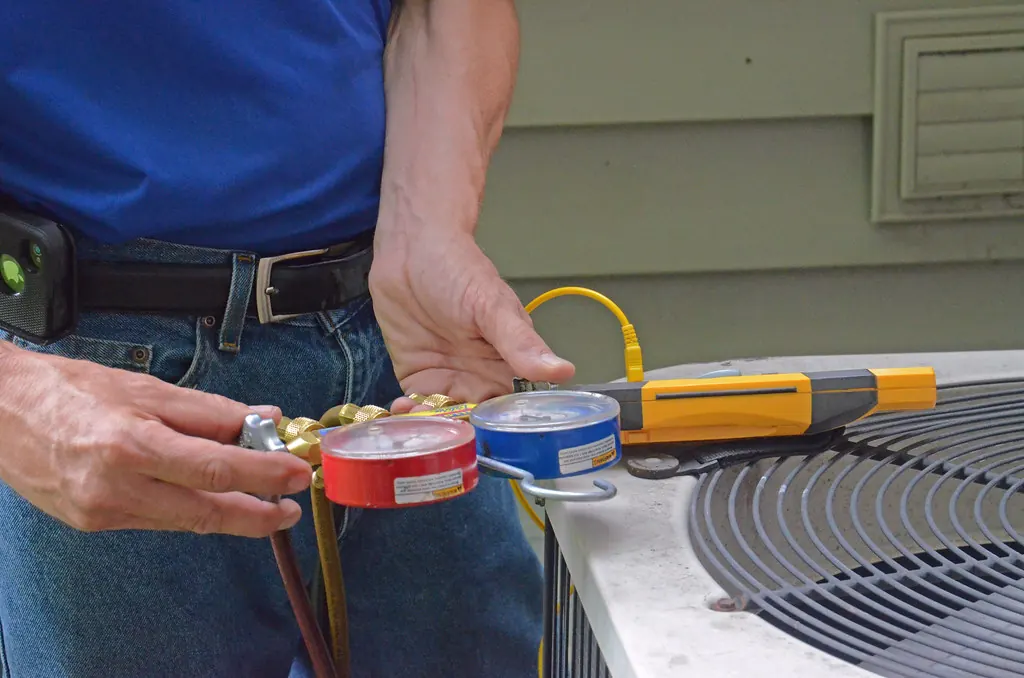
Emergency AC repair is a rapid-response service call for cooling systems that have stopped working or have become unsafe to run. The visit follows the same diagnostic sequence as a standard repair — symptoms, testing, diagnosis, repair — but it prioritizes getting cooling restored the same day, and it carries the parts that fail most often so a second trip is not needed for the common failures.
The most common emergency failures are the same parts that fail in ordinary service, just at the worst time: capacitors that give out in sustained heat, contactors that weld shut or burn open, blower motors that seize, and refrigerant leaks that finally drop the charge below the point where the system can cool at all. A stocked emergency visit can resolve most of these on the spot. Compressor failures and coil leaks are the exceptions — they need parts ordering and a follow-up visit, and an honest emergency visit says so up front instead of improvising.


In an emergency, the first decision is simpler than it looks: can the system be made safe and cool today with a component repair? For most emergency failures the answer is yes, and the repair is the right call regardless of the system's age — a capacitor or contactor does not mean the system is finished.
The replacement conversation only becomes urgent when the failed part is the compressor or the indoor coil on a system that is already past its expected life and has needed repeated work. Even then, the emergency visit's job is to give you the diagnosis and the options clearly, so the decision is made with a cool head and full information rather than in the heat of the moment.
Chula Vista's heat arrives in waves, not all at once. The marine layer keeps mornings mild well into June, and then a Santa Ana pattern or an inland heat spike pushes the east side into the 90s with little warning. Emergency calls cluster on those first hot days, because systems that sat idle through a mild spring are asked to run hard for the first time — and the weak capacitor or the low refrigerant charge that went unnoticed all winter finally shows itself.
Homes in Otay Ranch, Eastlake, and Rancho del Rey feel this first because they sit farther from the bay breeze. A system that was marginal in May becomes a no-cool emergency in July when afternoon temperatures hold in the high 80s. The practical lesson is simple: test the system before the heat arrives, and if it fails on a hot day, turn it off rather than forcing it to run — a stopped system can be repaired, but a compressor run to failure cannot.
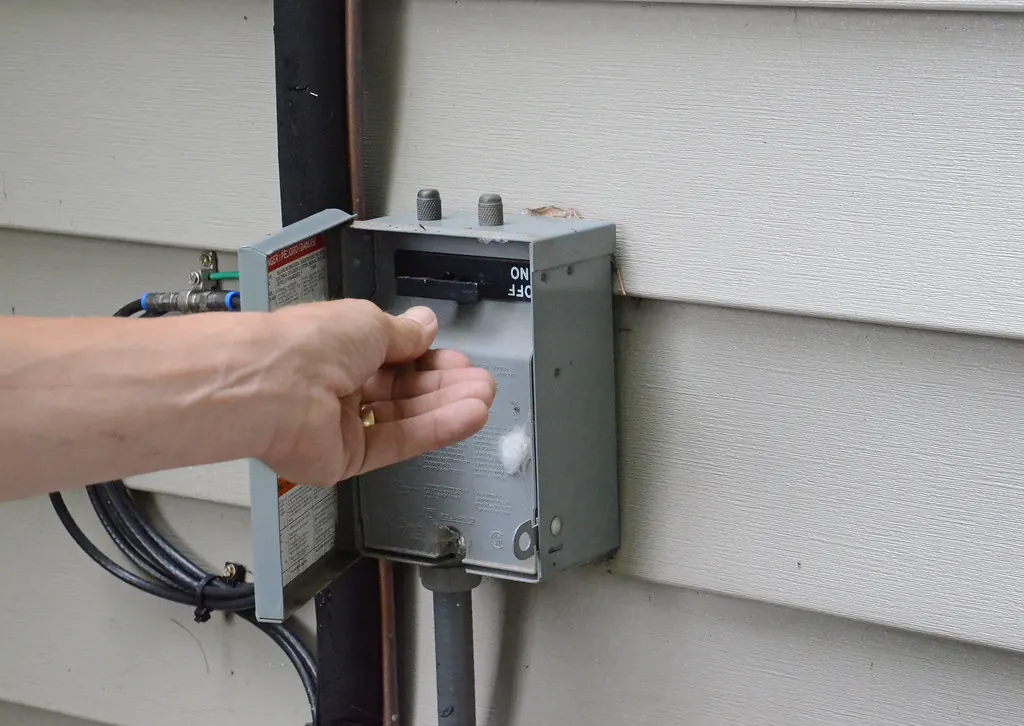
While waiting for an emergency visit, the house can be kept manageable with a few simple steps. Close the blinds on west-facing windows, because the afternoon sun through glass is the largest single source of heat gain in most Chula Vista homes. Use fans to move air through the house — moving air feels cooler than still air, and a fan in the room you are using makes a real difference. If the system has frozen, turn it off and set the fan to On so the coil thaws while you wait; do not run a frozen system. If the breaker has tripped, leave it off rather than resetting it repeatedly. And keep the outdoor unit clear, so the technician can reach it the moment they arrive.
The households that need the most care during a cooling failure are the ones with infants, elderly family members, or anyone with a medical condition affected by heat. If the indoor temperature keeps climbing and the system cannot cool at all, consider moving those family members to a cooler place — a neighbor's home, a public cooled space, or the car with the air conditioning running — while the repair is arranged. The emergency visit's first job is to make the system safe and to find the fault; the second is to restore cooling as fast as the fault allows. Most emergency failures are single components that can be fixed the same day, and the house is usually cooling again within hours of the visit — but the hours in between are easier when the house is shaded, the fans are moving, and the vulnerable members of the household are somewhere cool.

AC not cooling in Chula Vista? Local air conditioning repair for every brand and system type, from frozen coils to failed compressors. Call now for se
Learn more →
New AC installation in Chula Vista — central air, ductless mini splits and heat pumps sized for your home. Call now to discuss your installation.
Learn more →
Is it time to replace your AC in Chula Vista? Compare repair vs replacement for an aging system and get a new system sized for your home. Call now.
Learn more →Check the thermostat setting and batteries, check the breaker once, and check whether the outdoor unit fan is running. If the breaker trips again, if there is water leaking, or if you smell burning, turn the system off and call. Do not keep resetting the breaker.
It becomes one when indoor temperatures keep climbing and the system cannot cool at all, especially for households with infants, elderly family members, or anyone with a medical condition affected by heat. A system that cools weakly but still runs can usually wait for a scheduled visit.
Most emergency failures — capacitors, contactors, fan motors, thermostats — are repaired the same day because the parts are common and carried for emergency calls. Compressor and coil failures need a part order and a follow-up visit.
Heat is the stress test. A capacitor that was marginal in spring fails when the system runs long cycles in sustained heat. Low refrigerant that still cooled in mild weather cannot keep up when the load peaks. The failure was developing for weeks — the hot day is when it finally shows.
Yes. Grinding means metal is wearing against metal, and every minute of running makes the damage worse. Turn it off at the thermostat and call — a seized blower motor is a far smaller repair than a motor that has destroyed its housing.
Running the fan without cooling circulates air and can make the house feel slightly better, and it helps thaw a frozen coil. It does not cool the house. If there is a burning smell or water leaking, turn everything off instead.
You get the diagnosis, the part that is needed, and the options — repair or replacement — explained with the system's age and condition in view. The system is left safe, and the follow-up is planned rather than improvised.
Emergency calls are priced by the provider, and this site does not publish rates. What matters for the decision is the diagnosis: what failed, whether it can be fixed today, and what the repair involves. Ask for that explanation before any work begins.
Describe the symptoms — what the system is doing, which rooms are affected, and whether the outdoor unit is running — and get a clear next step.
For AC repair, furnace repair, heat pump and mini split service, and maintenance across Chula Vista and San Diego County, reach out through the contact page.