hello@chulavistahvacpros.comMon–Fri 7:00 AM–10:00 PM ET · Sat 8:00 AM–10:00 PM ET · Sun 7:00 AM–9:00 PM ET
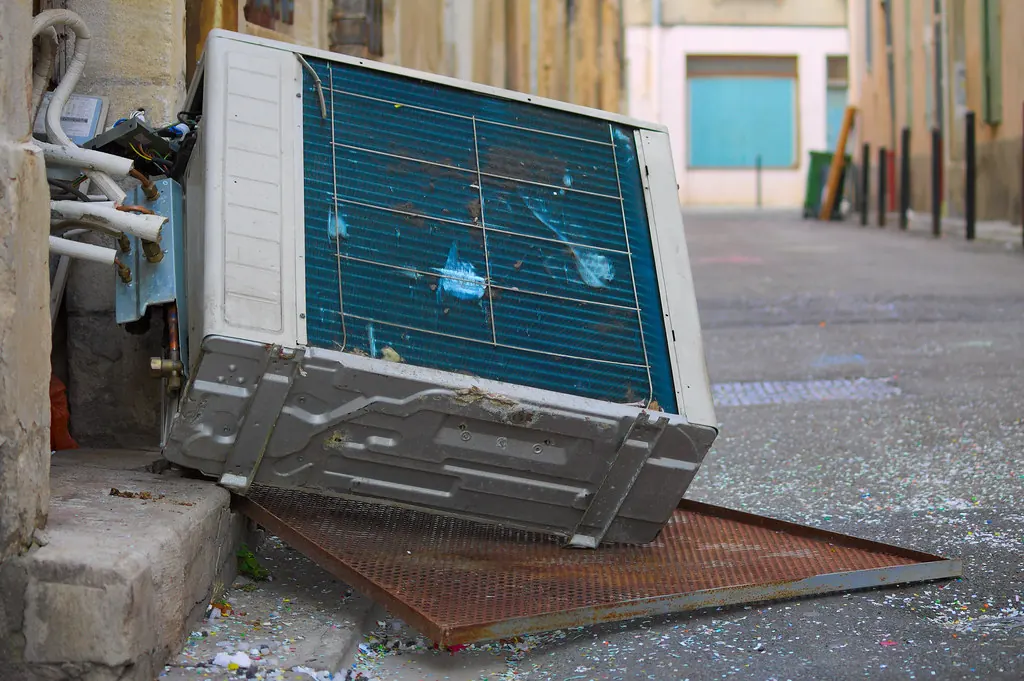
New air conditioning outdoor unit being installed beside a home
Home › Services › AC Replacement

AC Replacement in Chula Vista, CA

Is it time to replace your AC in Chula Vista? Compare repair vs replacement for an aging system and get a new system sized for your home. Call now.

Chula Vista & San Diego County · AC replacement Chula Vista CA

Diagnosis firstTesting under load before any part is ordered — so the repair fixes the fault, not the symptom.
Chula Vista focusEastlake heat, bayfront salt air, older west-side ducts — the local patterns that shape every repair.
Whole-system checksHeating and cooling tested together, so a fault in one season is not discovered in the next.
Clear explanationsWhat failed, why it failed, and what the repair involves — in plain language, before any work begins.
AC Replacement

What ac replacement means for your home

AC replacement is the removal of an existing cooling system and the installation of a new one in its place — new outdoor condenser, new indoor coil, new refrigerant lines where needed, duct connection and sealing, electrical work, thermostat, charging, and testing. It differs from a first-time installation mainly in that the house already has ducts, electrical service, and a pad for the outdoor unit, so the work focuses on matching the new equipment to the existing infrastructure and correcting what the old installation got wrong.

The most valuable part of a replacement is the reassessment. The old system was sized for the house as it was when it was installed — before the addition, before the new windows, before the insulation upgrade, before the ductwork aged. Replacement is the moment to redo the load calculation, inspect the ducts properly, and fix the airflow problems that the old system lived with for years. A replacement that simply swaps in a unit of the same size repeats the old system's mistakes with new equipment.

New air conditioning outdoor unit being installed beside a home
Signs

Signs you need ac replacement

Causes

What causes ac replacement problems

  • Compressor wear after years of long cooling cycles in Chula Vista's inland heat.
  • Coil metal fatigue and corrosion, accelerated by coastal air on the west side of the city.
  • Repeated capacitor and electrical failures as the system's components age together.
  • Ductwork that has deteriorated alongside the equipment, leaking conditioned air.
  • Refrigerant phase-out making older systems expensive to service.
  • A system that was oversized or undersized from the start, and has been fighting the house its whole life.
New air conditioning outdoor unit being installed beside a home
How it works

How ac replacement works

Assessment of the existing systemThe current equipment is inspected — age, refrigerant type, condition of the compressor and coils, and the repair history. The ducts and electrical service are inspected at the same time.
Load calculationThe house is measured again, as it stands today. Additions, window changes, and insulation work since the old system was installed all change the number.
Equipment optionsCentral air, heat pump, or ductless — compared on fit for the house, the ducts, and how the household uses cooling. The old system's shortcomings are part of the comparison.
Removal and installationThe old equipment is removed and the refrigerant recovered. The new system is installed, ducts are sealed and corrected, electrical connections are made, and the thermostat is set up.
Testing and walkthroughThe new system is charged and run through a full cooling cycle, airflow is checked room by room, and the homeowner is walked through the thermostat, the filter, and what normal operation looks like.

Included

What ac replacement includes

Options for ac replacement

Like-for-like central replacementA new central system on the existing ducts, sized by a fresh load calculation. The right choice when the ducts are sound and the layout works.
Heat pump replacementReplacing an AC-only system with a heat pump adds heating to the same equipment. In Chula Vista's mild winters this covers the whole year with one system.
Ductless conversionReplacing a ducted system with ductless mini splits, usually when the ducts are in poor condition or the household wants room-by-room control. This is a bigger change and suits homes where the ducts have been the problem all along.
High-efficiency replacementA higher-efficiency system costs more up front and uses less electricity every hot afternoon. The value depends on how many hours the system runs each year — and in inland Chula Vista, that number is high.
Repair or replace

Repair or replace?

Repair wins when the system is relatively young, the failure is a single component, and the ducts and sizing are sound. A capacitor, a contactor, or a fan motor on a ten-year-old system is a repair, and it buys years of service.

Replacement wins when the failure is the compressor or the coil on an older system, when leaks keep returning, when the system needs major work every season, or when the house has changed enough that the old system no longer matches it. The deciding question is simple: will the money spent on this repair buy enough remaining life to be worth it? A load calculation, a duct inspection, and an honest look at the repair history give you the answer.

Maintenance

Keeping your system healthy

  • Start the new system's life with a clean filter and a clear outdoor unit — the habits that protect it begin on day one.
  • Keep a yearly service visit on the calendar before the cooling season, so small issues are found before the heat arrives.
  • Watch the first summer closely: every room should hold temperature on hot afternoons. If one does not, the airflow balance needs attention while the installation is still fresh.
  • Keep the condensate drain clear — a cup of water with a little vinegar down the access in spring slows the growth that blocks it.
  • Do not let plants or stored items crowd the outdoor unit as the years pass.
Local

AC Replacement in Chula Vista

Chula Vista's housing waves make replacement a different job in different neighborhoods. On the west side, homes from the 1950s through the 1970s often have their original ductwork, and a replacement that ignores the ducts wastes the new system's efficiency into a hot attic. In the east-side master-planned communities, the homes are newer and tighter, but they are larger and often two-story, so the replacement has to solve the upstairs-downstairs temperature split that the old system never managed.

The climate split matters too. A replacement in an inland neighborhood like Otay Ranch will run far more hours a year than the same system near the bayfront, so the efficiency rating pays back faster inland. And California's Title 24 standards and the city's permit requirement apply to replacements as they do to new installations — the permit and inspection are part of a proper job, and they matter when the house is sold.

Choosing a provider

Questions to ask

  • Ask for the load calculation result and whether it differs from the old system's size — and why.
  • Ask what was found in the ducts, and what will be sealed or corrected as part of the replacement.
  • Ask whether the new system uses current refrigerant and what its efficiency rating means for your home's running hours.
  • Ask about the permit, the inspection, and the documentation you receive when the work is complete.
Mistakes to avoid

Common mistakes

  • Replacing with the same size as the old system without a fresh load calculation — the old size may have been wrong from the start.
  • Putting new equipment on ducts that leak a fifth of the cooled air into the attic.
  • Choosing the cheapest equipment without considering how many hours a year it will run in this climate.
  • Skipping the permit, which creates problems at sale time and leaves no inspection record.
In depth

Timing a replacement — and why it matters

The right time to replace an air conditioner is not the day it fails. It is the season before it fails — the spring, when the weather is mild, the schedule is open, and the household can choose equipment without the pressure of a hot house. A replacement planned in spring is a decision made with a load calculation, a duct inspection, and a comparison of options. A replacement decided in July, with the house warming by the hour, is a decision made under pressure, and pressured decisions are how oversized systems and skipped permits happen. If the current system is showing the pattern — a major repair every season, a compressor that is losing capacity, a coil that leaks again — the spring is the time to plan the replacement, not the summer it finally stops.

Planning ahead also changes what can be done. A spring replacement can include the duct sealing that the new system needs, the thermostat relocation that fixes a misreading sensor, and the outdoor unit placement that gives the new system room to breathe — all of it done calmly, with the house comfortable throughout. A July replacement is usually a swap: the old unit out, the new unit in, and the duct and placement problems carried over to the new equipment. The difference between the two is not the equipment — it is the time to do the job properly. A system that will serve the house for fifteen years deserves a few weeks of planning, and the spring is when that planning happens. The duct inspection is part of the same reassessment: ducts that leak cooled air into a hot attic will waste the new system's efficiency from the first day it runs, and sealing them as part of the replacement is the work that makes the new equipment perform the way it was designed to. The thermostat deserves the same attention — a thermostat that misread the room for the old system will misread it for the new one, and a replacement is the moment to move it to an interior wall where it reads the temperature the house actually feels.

Related services

Other heating & cooling services

Technician repairing a residential air conditioning unit

AC Repair

AC not cooling in Chula Vista? Local air conditioning repair for every brand and system type, from frozen coils to failed compressors. Call now for se

Learn more →
Technician working on an air conditioning unit during a repair call

Emergency AC Repair

AC stopped working on a hot Chula Vista afternoon? Emergency air conditioning repair for no-cool, breakdowns and system failures. Call now for help.

Learn more →
New air conditioning outdoor unit being installed beside a home

AC Installation

New AC installation in Chula Vista — central air, ductless mini splits and heat pumps sized for your home. Call now to discuss your installation.

Learn more →
Questions

Frequently asked questions

How do I know it is time to replace my AC instead of repairing it?

The pattern decides it: a compressor or coil failure on a system past its expected life, refrigerant leaks that keep returning, or major repairs every season. A single component failure on a younger system is a repair. The load calculation and duct inspection give you the facts for the comparison.

How long should an air conditioner last in Chula Vista?

A well-maintained central system typically lasts around fifteen years, sometimes longer on the cooler west side and sometimes shorter in the harder-working inland neighborhoods. Maintenance, filter habits, and how many hours the system runs each summer all affect the number.

Can I replace just the outdoor unit?

The indoor coil and outdoor condenser are matched as a set, and replacing only one half usually leaves the system mismatched — lower efficiency, poor dehumidification, and a shorter life for the new part. A matched set is the standard recommendation.

Will a new AC fix the hot rooms in my house?

It can, if the hot rooms are caused by sizing or airflow problems that the replacement corrects. But a new system on the same leaky ducts will have the same hot rooms. The duct inspection and airflow balancing are what fix uneven cooling — the equipment alone does not.

What size system should replace my old one?

The size the load calculation produces for the house as it stands today — not the size of the old unit, and not a guess from square footage. Additions, new windows, and insulation changes since the old system was installed can all change the answer.

Do I need a permit to replace my AC in Chula Vista?

Yes. The city requires a permit for HVAC changeouts, and Title 24 energy standards apply. A proper replacement includes the permit and the inspection that follows.

What happens to the old system and its refrigerant?

The old equipment is removed and the refrigerant is recovered rather than released, as regulations require. Ask what happens to the old unit and what documentation you receive.

How long does an AC replacement take?

A straightforward replacement on existing ducts is usually completed in a day. Duct corrections, electrical upgrades, or a change to a different system type add time. The assessment before the work gives a realistic schedule.

Need heating or cooling help in Chula Vista?

Describe the symptoms — what the system is doing, which rooms are affected, and whether the outdoor unit is running — and get a clear next step.

Call Now

Contact

Get in touch

For AC repair, furnace repair, heat pump and mini split service, and maintenance across Chula Vista and San Diego County, reach out through the contact page.

Call Now

Service details

HoursMon–Fri 7:00 AM–10:00 PM ET · Sat 8:00 AM–10:00 PM ET · Sun 7:00 AM–9:00 PM ET Emailhello@chulavistahvacpros.com AreasChula Vista, San Diego, National City, Imperial Beach, Bonita, La Mesa, El Cajon, Lemon Grove, Spring Valley, Coronado, Santee ZIPs91910, 91911, 91913, 91914, 91915
☎ Call Now
Chula Vista HVAC ProsHeating & cooling help — Chula Vista & San Diego County