hello@chulavistahvacpros.comMon–Fri 7:00 AM–10:00 PM ET · Sat 8:00 AM–10:00 PM ET · Sun 7:00 AM–9:00 PM ET
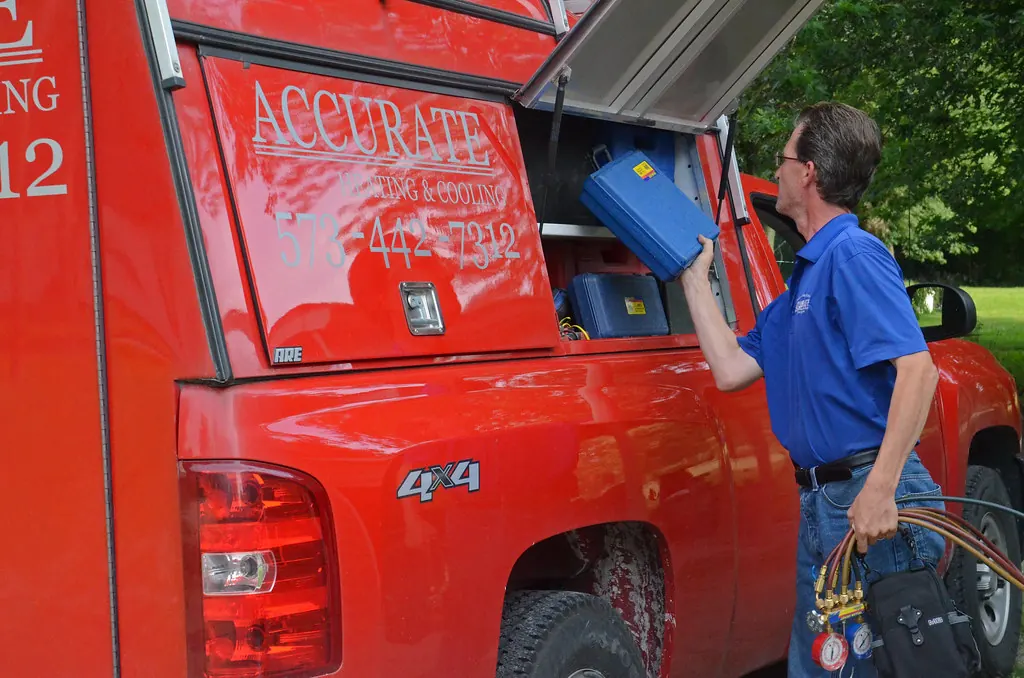
Technician repairing a residential air conditioning unit
Home › Services › AC Repair

AC Repair in Chula Vista, CA

AC not cooling in Chula Vista? Local air conditioning repair for every brand and system type, from frozen coils to failed compressors. Call now for service.

Chula Vista & San Diego County · AC repair Chula Vista CA

Diagnosis firstTesting under load before any part is ordered — so the repair fixes the fault, not the symptom.
Chula Vista focusEastlake heat, bayfront salt air, older west-side ducts — the local patterns that shape every repair.
Whole-system checksHeating and cooling tested together, so a fault in one season is not discovered in the next.
Clear explanationsWhat failed, why it failed, and what the repair involves — in plain language, before any work begins.
AC Repair

What ac repair means for your home

Air conditioning repair is the diagnosis and correction of faults in a cooling system: the outdoor condenser, the indoor evaporator coil, the blower, the refrigerant circuit, the electrical controls, and the thermostat that ties them together. A proper repair visit has a sequence — listen to the symptoms, test the system under load, measure temperatures and pressures, and only then decide what needs to change.

Most repairs fall into a small set of causes. Refrigerant leaks starve the evaporator coil and eventually freeze it solid. Capacitors — the small cylinders that start the compressor and fan motors — wear out in the heat and are the single most common cause of a unit that hums but never starts. Contactors pit and fail, thermostats lose calibration or lose their connection to the system, blower motors seize, and condensate drains clog and trip the safety switch that shuts the whole system down. Each of these has a distinct signature, and a technician who checks readings instead of swapping parts can usually tell them apart within minutes.

Technician repairing a residential air conditioning unit
Signs

Signs you need ac repair

Causes

What causes ac repair problems

  • Refrigerant leaks at flare fittings, valve cores, and coil joints — the slow leak is the most common failure in systems over eight years old.
  • Capacitor failure from heat cycling — the outdoor unit sits in direct sun on many Chula Vista lots, and capacitors are rated for heat they only barely tolerate.
  • Clogged air filters choking airflow, freezing the coil and starving rooms at the far end of the duct run.
  • Condensate drain blockages from dust and biological growth in the drain line.
  • Electrical wear — contactors, relays, and wiring connections corrode in coastal air, especially on bayfront homes in western Chula Vista.
  • Thermostat faults — dead batteries, loose wiring, or a thermostat mounted on a sun-warmed wall that misreads the room.
Technician repairing a residential air conditioning unit
How it works

How ac repair works

Describe the symptomsWhat you hear, what you feel at the vents, and when the problem started. Whether the outdoor unit runs, whether ice is visible, and whether any breakers have tripped — each answer narrows the search.
System inspection and testingThe technician checks the filter, the thermostat, the electrical panel, and then measures supply and return air temperatures, refrigerant pressures, and motor amperage while the system runs.
Diagnosis and explanationYou get a plain explanation of what failed, why it failed, and what the repair involves — including whether anything else is worn enough to fail soon, so you can decide with the full picture.
RepairThe failed part is replaced, refrigerant is recharged only after a leak is found and fixed, and the system is tested through a full cooling cycle to confirm the repair holds.
Prevention notesBefore leaving, the technician notes what to watch — filter change intervals for your home, drain line care, and the outdoor unit clearance that keeps airflow clean through the summer.

Included

What ac repair includes

Options for ac repair

Component repairA single failed part — capacitor, contactor, fan motor, thermostat — is replaced and the rest of the system keeps working. This is the right call when the system is otherwise sound and the part is the only weakness.
Leak repair and rechargeWhen refrigerant is low, the leak has to be found first. A recharge without a leak repair is a temporary fix that ends with the same problem a few months later, usually at the hottest point of the season.
Coil and airflow restorationFrozen or dirty coils, blocked filters, and duct restrictions are corrected so the system can move air properly again. This restores cooling without replacing equipment.
System replacement discussionWhen the compressor has failed on an older system, or when repairs keep recurring, replacement becomes the honest comparison — and it is discussed as a comparison, not a sales pitch.
Repair or replace

Repair or replace?

A repair makes sense when the system is under about twelve years old, the failure is a single component, and the rest of the equipment tests healthy. Capacitors, contactors, fan motors, thermostats, and drain problems are all repairs that can add years of life to a system that is otherwise solid.

Replacement enters the conversation when the compressor itself has failed on a system past its expected life, when refrigerant leaks keep returning at the coil, or when a system needs major work every season. The deciding factors are the age of the equipment, the type of refrigerant it uses, and how much of the summer it spends struggling to hold temperature. A system that cannot keep an Eastlake home comfortable on a hot afternoon is telling you something about its remaining capacity, not just about one broken part.

Maintenance

Keeping your system healthy

  • Change the filter every one to three months — monthly if the home has pets or sits near open lots where dust is heavy.
  • Keep at least two feet of clearance around the outdoor unit so it can pull in air freely, and rinse dust off the coil fins gently with a hose in spring.
  • Pour a cup of water mixed with a small amount of vinegar down the condensate drain access in spring to slow algae growth.
  • Watch the first hot week of the season: if the system runs constantly and the house still feels warm in the afternoon, get it checked before the real heat arrives.
  • Keep the thermostat out of direct sun and away from lamps and electronics that warm the wall around it.
Local

AC Repair in Chula Vista

Chula Vista's split climate matters for air conditioning. Homes west of I-805 get the marine layer and cooler afternoons, so systems there cycle less and last longer between failures. Homes east of the freeway — Eastlake, Rancho del Rey, Otay Ranch — sit in the warmer inland pocket, where summer afternoons regularly run into the high 80s and low 90s. Systems in those neighborhoods work harder, and capacitor and compressor failures show up there first.

Much of the city's housing stock was built in waves — the older west-side homes from the 1950s through the 1970s, the big east-side master-planned communities from the 1990s onward. Older homes often have original ductwork that leaks conditioned air into the attic, which makes a healthy air conditioner look weak. Newer homes have tighter construction but larger floor plans, so a single system serves more space. The repair approach differs between the two, and it starts with the house, not the unit.

Choosing a provider

Questions to ask

  • Ask what the diagnosis found before any part is ordered — a specific failed component, not a general area of the system.
  • Ask whether the refrigerant leak was located, not just topped up.
  • Ask what the temperature split across the coil measured after the repair — a healthy system shows a clear drop between return and supply air.
  • Ask what to watch for in the coming weeks, so a follow-up problem is caught early instead of at the next heat wave.
Mistakes to avoid

Common mistakes

  • Running a frozen system in the hope it thaws while operating — it does not, and the compressor pays for it.
  • Recharging refrigerant without finding the leak, then wondering why the system is warm again by August.
  • Using the wrong filter size or a filter so dense it chokes airflow on an older blower.
  • Covering the outdoor unit tightly for winter — trapped moisture corrodes the coil and the electrical compartment.
In depth

What a repair visit looks like, hour by hour

A repair visit is shorter than most homeowners expect, and most of that time is diagnosis, not repair. The technician starts by listening — what the system is doing, when it started, whether the outdoor unit runs, whether there is ice or water — because the symptoms narrow the search before any tool comes out. Then the system is tested while it runs: the filter is checked, the thermostat is verified, the temperature split across the coil is measured, and the refrigerant pressures and the electrical draw are read. That testing usually takes longer than the repair itself, and it is the part that matters most. A diagnosis made from readings is a diagnosis that holds; a diagnosis made from a glance is a guess, and guesses are how a system gets a new capacitor when the real fault is a refrigerant leak.

Once the failed part is identified, the repair itself is usually straightforward — a capacitor, a contactor, a fan motor, or a thermostat swapped in, a drain cleared, a leak repaired and the system recharged. The system is then run through a full cooling cycle, and the temperature at the vents is measured again to confirm the repair. Before leaving, the technician notes what to watch: the filter schedule for the home, the condition of the outdoor coil, and whether anything else is worn enough to fail soon. That last part is worth listening to, because a capacitor that is weakening or a contactor that is pitting will be the next repair — and knowing about it in advance means it can be planned rather than discovered on the hottest day of the year.

Related services

Other heating & cooling services

Technician working on an air conditioning unit during a repair call

Emergency AC Repair

AC stopped working on a hot Chula Vista afternoon? Emergency air conditioning repair for no-cool, breakdowns and system failures. Call now for help.

Learn more →
New air conditioning outdoor unit being installed beside a home

AC Installation

New AC installation in Chula Vista — central air, ductless mini splits and heat pumps sized for your home. Call now to discuss your installation.

Learn more →
New air conditioning outdoor unit being installed beside a home

AC Replacement

Is it time to replace your AC in Chula Vista? Compare repair vs replacement for an aging system and get a new system sized for your home. Call now.

Learn more →
Questions

Frequently asked questions

Why is my AC running but not cooling?

The most common reasons are low refrigerant from a leak, a frozen evaporator coil, a failed capacitor keeping the compressor from starting, or a clogged filter blocking airflow. A technician measures the temperature split and refrigerant pressures to tell them apart — the symptoms look similar from inside the house.

How long does an AC repair visit take?

Most single-component repairs are completed in one visit once the diagnosis is confirmed. Leak searches and coil work take longer because the system has to be opened, tested, and recharged. A frozen coil has to thaw before testing can be completed.

Should I turn my AC off if it is freezing up?

Yes. Turn the system off at the thermostat and set the fan to On so air keeps moving across the coil and it thaws faster. Running a frozen system risks liquid refrigerant reaching the compressor, which is the most expensive part to replace.

Why does my AC keep tripping the breaker?

A tripping breaker usually means the compressor or fan motor is drawing too much current — often a failing capacitor, a seized motor, or a short in the wiring. Resetting the breaker repeatedly without finding the cause can damage the equipment. If it trips more than once, leave it off and have it checked.

Can a clogged filter really break my AC?

Yes. A clogged filter restricts airflow, the evaporator coil gets too cold, ice forms, and the system stops cooling. In the worst case the compressor is damaged. Filters are the cheapest part of the system and the most common cause of preventable breakdowns.

What does it mean when my AC makes a buzzing sound?

Buzzing from the outdoor unit usually points to a failing capacitor or a contactor that is not closing cleanly. If the fan is not spinning and you hear a hum or buzz, turn the system off — a stalled motor overheats quickly.

My AC cools some rooms but not others — is that a repair issue?

Often it is an airflow issue: closed or blocked vents, leaking ducts, a weak blower, or a system that was never balanced for the home. It can also be a sign of low refrigerant, which hits the farthest rooms first. A room-by-room temperature check during the visit shows where the air is being lost.

How often should an AC in Chula Vista be serviced?

Once a year before the cooling season is the standard recommendation, and it matters more for inland homes where systems run longer. A service visit covers coil cleaning, refrigerant checks, electrical testing, and drain clearing — the four things that cause most summer breakdowns.

Need heating or cooling help in Chula Vista?

Describe the symptoms — what the system is doing, which rooms are affected, and whether the outdoor unit is running — and get a clear next step.

Call Now

Contact

Get in touch

For AC repair, furnace repair, heat pump and mini split service, and maintenance across Chula Vista and San Diego County, reach out through the contact page.

Call Now

Service details

HoursMon–Fri 7:00 AM–10:00 PM ET · Sat 8:00 AM–10:00 PM ET · Sun 7:00 AM–9:00 PM ET Emailhello@chulavistahvacpros.com AreasChula Vista, San Diego, National City, Imperial Beach, Bonita, La Mesa, El Cajon, Lemon Grove, Spring Valley, Coronado, Santee ZIPs91910, 91911, 91913, 91914, 91915
☎ Call Now
Chula Vista HVAC ProsHeating & cooling help — Chula Vista & San Diego County